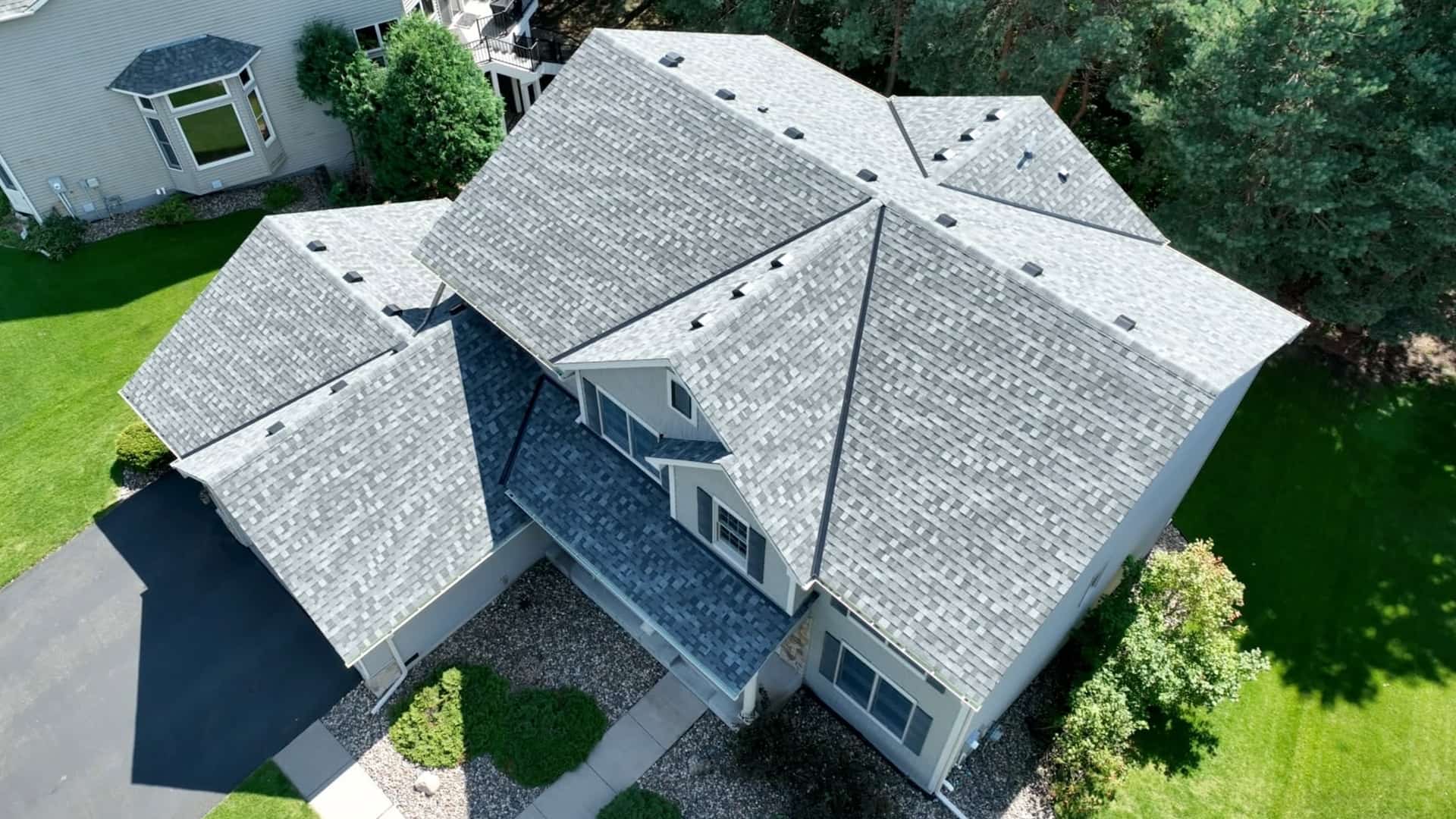
How Woodbury's Freeze-Thaw Cycles Can Shorten Your Roof's Lifespan (And What Homeowners Can Do)
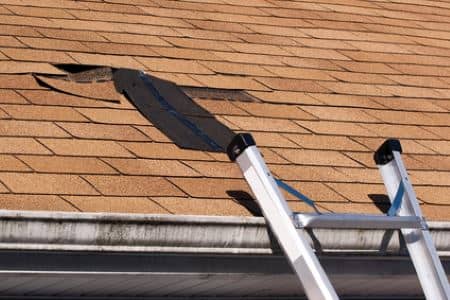
Minnesota winters are tough on homes, and few places feel it like Woodbury. When temperatures bounce from single digits at night to the 30s or 40s during the day, meltwater creeps into tiny roof gaps and then freezes again. That expansion slowly pries materials apart, weakens seals, and can push water where it does not belong. If you want your home protected season after season, start by understanding how freeze-thaw affects roofs and where smart, professional maintenance fits into roof repair for Woodbury homeowners.
Your roof is a system, not just shingles. Decking, underlayment, flashing, vents, gutters, and attic airflow all have to work together in cold snaps and thaws. This guide explains what happens on a typical Woodbury winter day, the warning signs to watch for, and the steps a professional will take to extend the life of your roof. If you ever feel unsure, reach out to ManePoint Exteriors for clear answers and a timely visit.
Why Freeze-Thaw Cycles In Minnesota Are Hard On Roofs
Water expands by roughly nine percent when it freezes. In a Minnesota winter, that expansion happens over and over. On a cold morning in Woodbury, frost and snow rest on a chilled roof. By afternoon, sun and milder air soften the snowpack, sending water toward valleys and eaves. Evening arrives, temperatures drop, and that same water hardens inside seams, nail holes, or minute surface cracks.
Each cycle puts pressure on shingles, flashing, and sealants. Over time, those parts loosen or lift. Meltwater finds the newly formed paths and rides gravity into places the roof was never meant to carry water. Attics get damp, insulation clumps, and interior ceilings show stains. The process is slow but relentless, especially near eaves where ice dams can form and at roof transitions like chimneys and dormers common around neighborhoods such as Wedgewood, Stonemill Farms, and Bailey's Arbor.
How Freeze-Thaw Damages Each Part Of Your Roof
Shingles: Repeated freezing and thawing can make shingles lose their protective granules faster. As granules shed, the asphalt layer weathers and becomes more brittle. That invites cracking at the edges and tabs, which worsens in late winter when temperature swings are greatest.
Flashing and Sealants: Step flashing around walls, counterflashing at chimneys, and sealants around vents take a beating. Expansion can lift the metal just enough to open a capillary path. Once a channel exists, it often widens during the next thaw.
Decking and Underlayment: If water slips under shingles, the underlayment should resist it. But prolonged moisture from repeated thaws can stress even quality membranes, and plywood decking can swell at the seams. In attics, you may smell a musty odor or notice uneven insulation.
Gutters and Eaves: Meltwater refreezes at the colder edges of the roof, creating ice dams. These dams hold water on the roof surface. The standing water then seeks the path of least resistance and can back up under shingles.
Early Warning Signs Woodbury Homeowners Should Watch For
You do not need to climb a ladder to spot early clues. Pay attention to how your home looks after a warm winter afternoon and the following cold night. Subtle changes add up, especially near valleys, overhangs, and any place that meets a wall.
- Brown or yellow ceiling spots that darken after a mild day and fade once temperatures drop
- Granules collecting at downspout outlets or where icicles melt
- Icicles forming only on one section of gutter or heavier on the north side
- Drafty rooms below roof valleys, hinting at wet or compacted insulation
- Musty smells in upper floors or attic hatches that feel damp to the touch
If you notice any of these signs in late winter or early spring, schedule a professional evaluation right away to limit interior damage. The sooner the source is found, the simpler the repair tends to be.
Seasonal Maintenance Schedule For Longer Roof Life
Woodbury's climate rewards a simple, consistent rhythm. Rather than waiting for leaks, aim for seasonal check-ins by a trusted roofing company. Here is a straightforward schedule that puts you ahead of trouble without guesswork.
- Late Fall: Before the first hard freeze, have a pro assess shingles, flashing, and attic airflow, and confirm heat loss is not warming the roof deck from below.
- Mid-Winter Thaw: After a mid-season warm-up, ask for a quick visual check from the ground and from the attic to look for fresh stains, wet insulation, or frost.
- Early Spring: Once snow is gone, schedule a full roof and attic inspection to spot materials lifted by ice, split flashing, or nail pops.
- Late Summer: Review ventilation and intake at the eaves to prepare for the next winter cycle.
Never walk on an icy or snow-covered roof; it is dangerous and can crush brittle shingles. Trained crews have the right safety equipment, and they know how to move on winter surfaces without adding damage.
Woodbury often sees rapid temperature swings in March and April. That is prime time for ice dams to release and hidden leaks to show up indoors.
A quick spring roof and attic check by a pro can catch small issues before heavy rains arrive and save you from repairing interior finishes later.
Materials And Design Choices That Handle Minnesota Winters Better
Not every roof responds the same way to cold and thaw. Material and detail choices influence how well your system resists cycling. If you are planning repairs or a future replacement, talk with your contractor about options that stand up to Twin Cities winters.
Underlayment: Modern ice and water barriers at eaves, valleys, and penetrations offer a tighter seal against backed-up water. Extending coverage farther up-slope can provide an extra layer of defense in homes near lakes like Powers Lake, where winds can drift snow deep at roof edges.
Flashing: Heavier-gauge step flashing and well-fitted counterflashing around chimneys reduce separation under expansion. Properly lapped, fastened, and sealed metal keeps capillary action from starting in the first place.
Ventilation: Balanced intake at soffits with ridge or high-mounted exhaust helps keep the roof deck temperature closer to outdoor air. That reduces uneven melting that feeds ice dams. A professional can verify airflow with simple tools and recommend adjustments.
Shingles: Impact-rated, cold-flexible shingles keep their grip and resist cracking longer in subzero snaps. The right match for your home depends on roof pitch, shade, and prevailing winds.
What A Professional Looks For During Winter And Spring Visits
When ManePoint Exteriors inspects a roof in Woodbury after a thaw, we follow a set pattern that finds problems early. The goal is to verify water control and address weaknesses before interior finishes suffer.
From the attic, a technician checks sheathing near eaves and valleys for staining, probes any suspicious wood for softness, and confirms that baffles keep insulation from blocking airflow at the soffits. Outside, they review shingle fields for lifted tabs, examine valley metal for separation, and test sealant lines at vents and stacks. Gutters and downspouts are assessed for clog points where meltwater might refreeze and spill behind the fascia.
When a problem is found, the fix could be as focused as replacing a short run of lifted shingles, reseating step flashing at a sidewall, or sealing a minor penetration. If damage is broader, replacement of a valley section or eave course may be recommended. When needed, our professional roof repair service restores weather protection and helps resist the next cycle of thaw and refreeze.
Insurance, Warranties, And Timing In A Freeze-Thaw Climate
Home insurance may cover water damage from sudden events. Coverage for gradual wear can vary by policy. Keep photos of any interior stains and note dates when warm-ups followed heavy snow. That timeline helps an adjuster understand what happened. Manufacturer warranties usually focus on defects, not storm events, but proper installation and maintenance support warranty protection.
Timing matters. Crews can perform many repairs in winter when conditions are safe, and spring offers wider windows for more involved work. In Woodbury, quick action after the first signs of a leak often prevents secondary issues like damp insulation and drywall repair.
How Woodbury's Neighborhoods Shape Freeze-Thaw Stress
Local microclimates matter. Homes near open areas along I-94 and Radio Drive may experience stronger winds that drift snow at eaves. Properties tucked near mature trees in Wedgewood or Colby Lake may see slower melt in shaded valleys. Both situations can feed ice formation. During inspections, we account for shade patterns, roof pitch, and common wind directions to focus on the spots most likely to show early wear.
Addressing wind drift and shade patterns with targeted repairs and ventilation tuning reduces the melt-refreeze cycle that shortens roof life. A plan built around your specific lot conditions pays off each winter.
Professional Repair Or Replacement: Making The Right Call
Not every leak means a full replacement. In many Woodbury homes, localized roof repair solves the problem, especially when issues are limited to an eave, a valley, or flashing around a chimney. Replacement enters the conversation when aging materials show widespread granule loss, when underlayment repeatedly allows backup, or when deck movement has created many high nails and cracks.
A trusted roofer will document findings with photos, explain options in plain language, and recommend the least invasive fix that still protects your home. If repairs are chosen, they should blend with the existing roof and maintain manufacturer guidelines so future warranty coverage remains in good standing.
Simple Steps To Stay Ahead Of The Next Thaw
You cannot control the weather, but you can plan for it. Keep living areas warm, and attics balanced so heat is not escaping to the roof deck. Schedule seasonal roof and attic evaluations so expansion and contraction are checked before they do damage. If you spot signs of moisture indoors after a warm afternoon, call right away so a professional can track the source while it is active.
To learn more about the services available to protect your home through Minnesota's wild swings, you can explore roof repair in Woodbury, MN resources on our home page and ask for a same-day callback. Local insight matters when the thermometer jumps 20 degrees in a single afternoon.
Choose A Local Team That Knows Freeze-Thaw Roofing
Woodbury weather keeps you on your toes, but your roof should not be a source of stress. ManePoint Exteriors combines local know-how with proven methods to keep meltwater moving off your home and out of your attic. Our teams are trained for winter-safe work and use materials that hold up when the temperature won't sit still.
For fast roof repair in Woodbury, MN, call ManePoint Exteriors at (651) 368-8280 today. We will assess your roof, document what we find, and explain the best path forward in clear terms. When appropriate, we handle targeted fixes the same week so you can relax before the next round of freeze and thaw rolls through Woodbury.
Let's Build Something Better.
Contact Our Roofing Company Today!