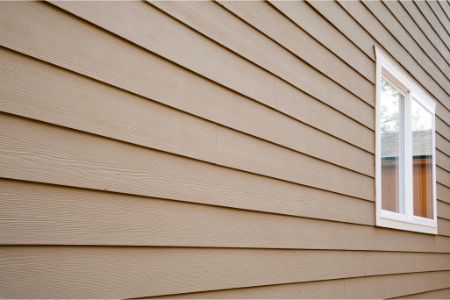
Why Faded, Warped, or Loose Siding Shouldn't Be Ignored
Minor siding flaws may look cosmetic, but they rarely stay small. When panels fade, warp, or pull loose, they open pathways for water, pests, and air leaks. Over time, those issues shift from a quick siding repair to larger wall or roof problems. This guide explains how to spot the early signs, why they matter, and what to do next to keep your home dry, efficient, and attractive.
Your exterior is a system. Siding, trim, housewrap, flashing, and the roof work together to shed water. If one part fails, the others get stressed. That is why addressing siding issues promptly protects your roof, attic insulation, and indoor air quality. To learn more about our team and approach, visit our home page.
How Minor Siding Wear Becomes Major Damage
Fading, warping, and loosened panels each signal different stresses. UV exposure weakens finishes and plastics, which can make panels brittle. Heat and cold cycles cause movement, and nails or clips can back out. Wind can then rattle a loose edge until it lifts, and wind-driven rain takes that opening as an invitation. Water almost always finds the path of least resistance. Once it gets behind the cladding, gravity and capillary action carry it to places you cannot see.
When moisture lingers behind siding, it can soak the sheathing, saturate insulation, and create conditions where mold can take hold. Wet sheathing also loses strength, so fasteners grip less, which encourages more movement and more leaks. That is the spiral homeowners want to avoid.
Water Intrusion: The Hidden Pathways
Water does not need a large hole to get in. The common routes are along vertical seams, around windows, door trim, light fixtures, and any place the siding meets the roof. If flashing is incomplete or old caulk has failed, water can slip behind the cladding and travel sideways. During storms, pressure differences can even push water uphill under laps and into corners.
Once inside, moisture can diffuse through wood and fiber materials. It may not show on the interior wall for months. By the time paint begins to bubble indoors, the wall cavity could have long-term dampness. That is why early exterior warning signs matter. Small gaps often mean big moisture problems inside the wall.
Pests Love Loose Or Warped Siding
Insects and small animals are opportunists. Loose siding provides shelter from weather and predators. Carpenter ants, wasps, and certain beetles will colonize behind warped panels. In colder months, mice can climb shrubs and slip through small openings around utilities or trim. Once inside, pests can chew on insulation and wiring or create nests that block ventilation.
Stopping pests begins with the building envelope. Tight, secure siding with proper flashing and sealed penetrations leaves nothing to exploit. That is another reason prompt attention to loose areas is so important for your home's health.
Curb Appeal, Appraisal, And Your Neighborhood
Your siding frames the entire home. Faded color, chalking, or wavy panels make even a well-kept yard look tired. Appraisers and buyers notice these cues because they hint at deferred maintenance and potential hidden damage. Fresh, sound siding does the opposite. It brightens the home, signals care, and can help listings stand out when it is time to sell. Even if you are not moving, matching the standard on your street protects neighborhood appeal.
Common Red Flags You Can See From The Ground
You do not need to climb a ladder to recognize early siding trouble. A careful look from the driveway or sidewalk can reveal a lot without any DIY work or risk.
- Panels that look wavy, bowed, or pulled away at the ends.
- Gaps at vertical seams, corners, or where siding meets trim.
- Discoloration, streaks, or algae below joints that suggest water travel.
- Cracks, chips, or brittle edges that crumble to the touch.
- Peeling paint or soft wood on nearby trim or fascia.
If you notice one or more of these, schedule a professional evaluation. A trained eye can trace the source, check flashing, and test moisture safely without damaging the wall.
Wind-driven rain can force moisture behind laps, especially at corners and around fixtures. If you notice new exterior staining or musty odors indoors, book a professional inspection soon. Quick action often prevents more invasive wall repairs.
How Siding Problems Affect The Roof And Gutters
The roof and siding meet at critical transitions along rakes, eaves, and dormers. If siding is loose near those areas, wind and water can disturb step flashing and drip edges. That invites leaks at roof-wall joints and inside soffits. Gutters also suffer when fascia or trim swells, twists, or rots from repeated wetting.
If you are planning a roof replacement, ask the crew to examine adjoining siding and trim at all roof-to-wall transitions. Tightening up the envelope during one project prevents callbacks and uneven wear across systems. Coordinating both trades reduces disruptions and helps your warranty coverage stay clear.
Weather, Seasons, And Material Movement
Every climate challenges siding in different ways. Summer sun and high temperatures can exaggerate expansion, especially on darker colors. In regions with freeze and thaw cycles, small amounts of trapped water can expand as ice and pry joints open. Coastal storms combine high winds with rain pushed sideways. Over years, those forces age materials and can loosen fasteners. That is why regular exterior checkups with a trusted pro are worth it, especially after major storms.
Vinyl, fiber cement, engineered wood, and natural wood each respond differently to weather. The right fasteners, spacing, and ventilation help each system last, but even correct installs need upkeep. A professional can confirm what your home has and explain the best maintenance schedule.
When To Choose Professional Siding Repair
You do not need to wait for interior stains to call a pro. These situations are good reasons to bring in a specialist soon:
- Visible warping or movement along a full wall or around windows.
- Repeated algae streaks below joints after heavy rain.
- Drafts or temperature swings near exterior walls.
- Evidence of pests near the foundation or utility penetrations.
- Loose panels that rattle or click on windy days.
Timely repairs restore the weather barrier and stop infiltration before it spreads. They also protect attic and wall insulation from moisture so your energy use stays steady. Addressing problems early is kinder to your budget and to your home's structure.
What A Thorough Pro Evaluation Covers
A reputable team will look beyond the obvious. Expect a methodical review of cladding condition, flashing details, penetrations, transitions to the roof, and evidence of past water travel. Moisture readings and careful probing in suspicious spots help confirm what is going on beneath the surface. The goal is to solve the source, not just patch the symptom.
From there, your contractor can outline repair options that match your material and the season. That might include panel reattachment, targeted replacement, new flashing at tricky joints, or sealing of utility penetrations. The result should be a tighter envelope and siding that sheds water properly again.
Benefits Of Fixing Siding Issues Early
Acting quickly delivers several wins you can feel and see:
- Cleaner walls with less streaking and fewer algae blooms after storms.
- Quieter rooms and steadier indoor temperatures from reduced air leaks.
- Protected sheathing, framing, and insulation from repeated wetting.
- Better curb appeal and stronger first impressions for appraisers and buyers.
If siding looks loose or sounds hollow in the wind, act before the next storm. The sooner a pro closes those gaps, the faster you stop the cycle that leads to costly fixes.
Coordinating Siding Work With Roof Projects
Many homeowners time exterior upgrades together. It can make sense to align siding repairs with gutter upgrades or a new roof. Doing so helps tighten all the junctures where walls meet roofing and trim. If you plan to schedule a roof replacement in the next few months, ask your contractor about sequencing. In many cases, correcting siding and flashing at walls before shingles go on makes for a cleaner finish and fewer disruptions.
Energy, Comfort, And Indoor Air Quality
Loose siding is also a comfort issue. Gaps and rattling panels can allow wind to pressurize wall cavities. That draftiness makes rooms feel inconsistent, encourages dust movement, and can pull humid outdoor air into conditioned spaces. When walls stay dry and sealed, insulation works better and your HVAC runs more efficiently. Over time, that steadiness often shows up as fewer hot or cold spots and more predictable utility bills.
Why Homeowners Choose ManePoint Exteriors
Homeowners want a partner who treats small clues seriously and solves the source of the problem. Our team explains findings in plain language and recommends repairs that match the material and season. We focus on water management, proper flashing, and clean detailing so your home looks great and stays protected. Prefer to talk it through? Reach us at (651) 368-8280.
Call ManePoint Exteriors today for trusted siding repair and inspection. We are ready to help you protect your home's exterior and restore curb appeal with work you can feel confident about.
Your Next Step
If you have noticed fading, warping, or loose panels, bring in a professional soon. A quick, informed visit can stop water and pests before they get comfortable in your walls. If your plans also include roof work this year, remember that siding and roofing protect each other. Aligning projects can save time and reduce repeat visits while keeping your warranty terms straightforward.
Whether you are exploring repairs now or budgeting for later, a clear assessment is a smart starting point. We will help you prioritize what matters most for protection, appearance, and comfort.
Water damage that starts small rarely stays in one place. Take care of siding concerns early so your exterior continues to do its job, season after season.
Let's Build Something Better.
Contact Our Roofing Company Today!